What Are Acne Scars?
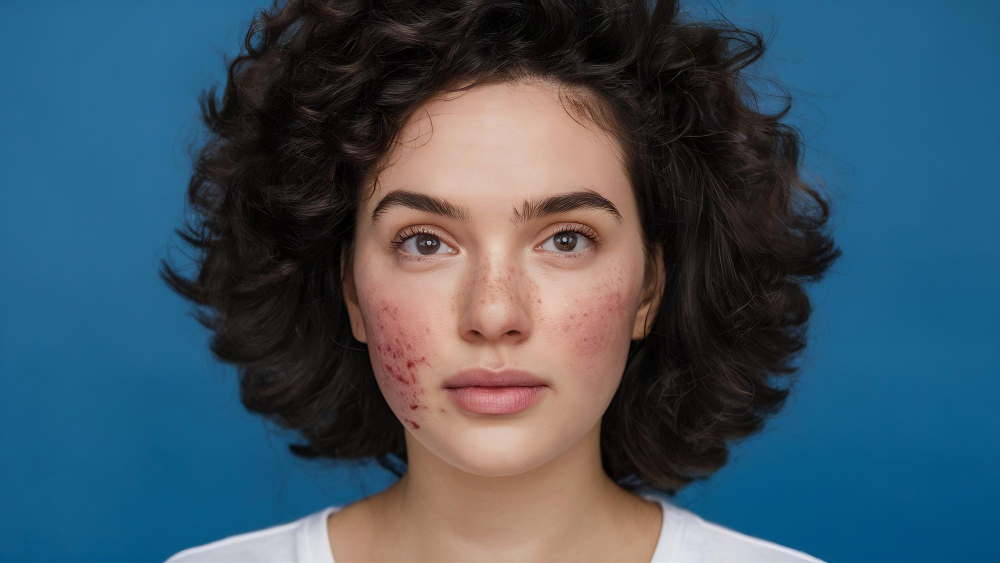
Acne scars are marks left on the skin after pimples heal. These scars can make skin look uneven. For many people, acne scar treatment is important for smoother skin. While some scars fade over time, others may stay for years. Because of this, many seek ways to reduce their appearance.
Types of Acne Scars
Not all acne scars look the same. In fact, there are several types. Knowing the type helps choose the best treatments for acne scars. Common types include:
Causes of Acne Scarring
Acne scars form when the skin tries to heal after a breakout. Sometimes, the skin makes too much or too little collagen. As a result, scars can appear. Picking or squeezing pimples increases the risk. Also, severe or deep acne is more likely to leave scars. Genetics can play a role as well.
Diagnosis and Assessment
First, a dermatologist will look at your skin. They will check the type and depth of scars. Sometimes, they may ask about your acne history. This helps them suggest the best acne scar treatment for you. In some cases, photos may be taken to track progress.
Effective Acne Scar Treatment Options
There are many dermatologist-recommended acne scar solutions. The right choice depends on your skin and scar type. Here are some common options:
For those searching for “acne scar treatment near you,” many clinics offer these services. Always choose a qualified dermatologist for safe results.
At-Home Care and Lifestyle Tips
While professional treatments work best, at-home care can help. For example, gentle skin care may prevent new scars. Here are some tips:
However, always check with your doctor before starting new products.
Prevention of Acne Scars
Preventing scars is easier than treating them. Therefore, early acne care is important. Here are some ways to lower your risk:
With these steps, you can help keep your skin smooth after acne.
When to See a Dermatologist
If acne scars bother you or home care does not help, it is time to see a dermatologist. They can suggest the best treatments for acne scars. Also, if you have deep or painful scars, professional help is important. Early treatment often leads to better results.
In summary, many options exist for acne scar treatment. For the best results, consult a dermatologist for personalized acne scar treatment options.