What Is Acne?
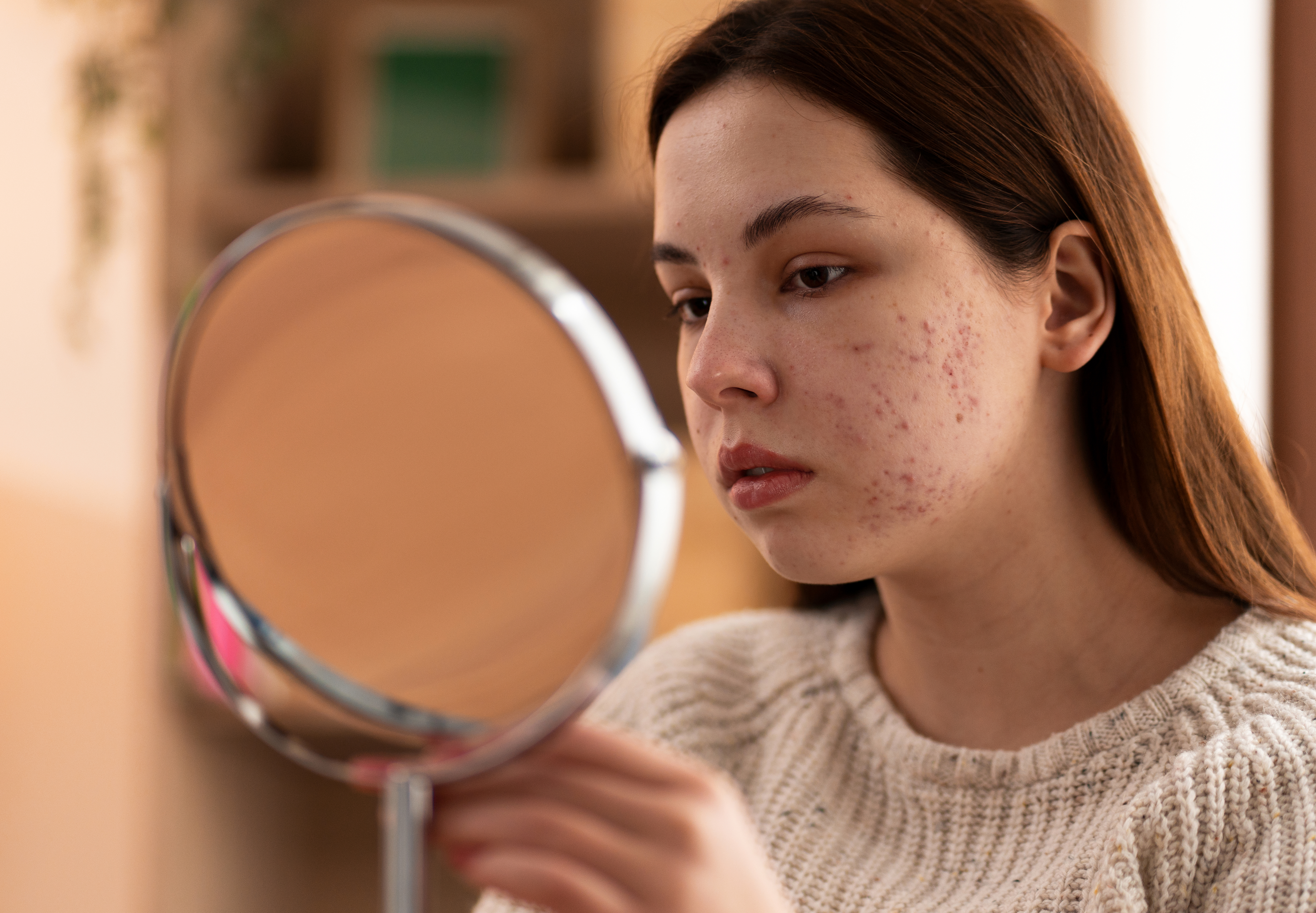
Acne is a common skin condition. It causes pimples, blackheads, and whiteheads. Almost everyone gets acne at some point. While many think it only affects teens, acne at every age is possible. In fact, adults and even seniors can get it too. Acne forms when hair follicles get clogged with oil and dead skin cells. Bacteria can also play a role. As a result, the skin becomes red, swollen, or sore.
Why Acne Happens at Different Ages
Although acne is often linked to puberty, it can appear at any age. For example, hormonal changes in teens cause oil glands to work harder. However, adults may get acne due to stress, hormones, or certain medications. Even seniors can develop acne, often because of changes in skin or health. So, acne at every age has different causes and patterns.
Common Triggers of Acne by Age Group
Understanding what triggers acne helps you manage it better. Here are some common triggers by age:
Additionally, factors like pollution, hot climates, and sweat can make acne worse for anyone. For example, living in a city with high pollution may increase breakouts.
How to Diagnose Acne
Doctors usually diagnose acne by looking at your skin. They check for pimples, blackheads, and other signs. Sometimes, they may ask about your health, diet, or stress levels. In rare cases, blood tests may be needed to check for hormone problems. However, most people do not need special tests. Early diagnosis helps you start the right treatment sooner.
Effective Treatments for Acne at Every Age
Treating acne depends on your age and skin type. Here are some common options:
For best results, always follow your doctor’s advice. Sometimes, it takes a few weeks to see improvement. Do not pick or squeeze pimples, as this can cause scars.
Lifestyle Tips for Managing Acne
Simple changes can help manage acne at every age. For instance, try these tips:
Moreover, drinking enough water keeps your skin healthy. If you sweat a lot, wash your face soon after.
Preventing Acne: What Works
While you may not prevent all acne, some steps lower your risk. For example:
Additionally, avoid using heavy creams or oils on your face. If you notice a product causes breakouts, stop using it.
When to See a Dermatologist
Sometimes, acne does not get better with home care. In these cases, it is best to see a dermatologist. You should seek help if:
Dermatologists can offer stronger treatments and advice. According to the American Academy of Dermatology, early treatment can prevent scars and boost confidence.
In summary, acne at every age is common and treatable. With the right care, you can manage and prevent breakouts. Consult a dermatologist for personalized acne treatment and advice.