
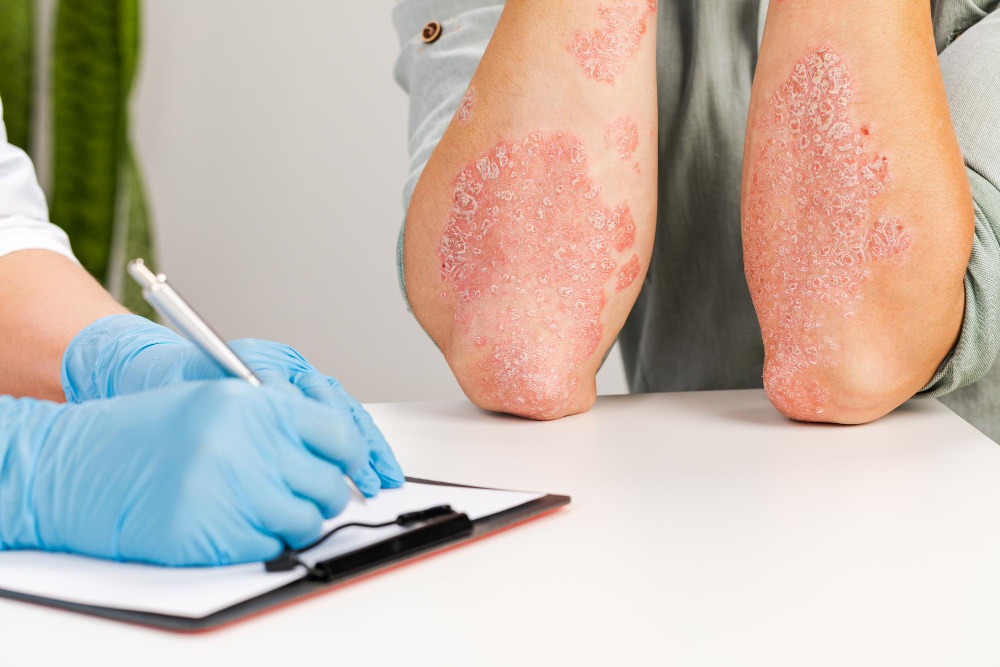
What is Eczema?
Eczema is a common skin condition that causes dry, itchy, and inflamed skin. Many people, both adults and children, experience eczema at some point. Often, it appears as red or rough patches on the skin. Because eczema can be uncomfortable, it is important to understand its causes and how to manage it. According to the World Health Organization, eczema affects millions worldwide. In some places, climate and air quality can make symptoms worse. For example, dry or cold weather may trigger flare-ups.
Common Symptoms of Eczema
People with eczema may notice different symptoms. However, some signs are more common than others. Eczema symptoms in adults and children can include:
Sometimes, symptoms get worse at night. Also, scratching can make the skin break or bleed. Because of this, it is important to avoid scratching when possible.
Causes and Risk Factors
Doctors do not know the exact cause of eczema. However, several factors can increase the risk. For instance, eczema often runs in families. If a parent has eczema, their child may get it too. Other causes and risk factors include:
In many cases, a mix of genes and environment leads to eczema. Because triggers can vary, it helps to track what makes symptoms worse.
How Eczema is Diagnosed
Doctors diagnose eczema by looking at the skin and asking about symptoms. Usually, no special tests are needed. However, sometimes a doctor may:
Because eczema can look like other rashes, seeing a dermatologist is helpful. Early diagnosis can lead to better eczema management.
Treatment Options for Eczema
There are many eczema treatment options. The right treatment depends on age, symptoms, and triggers. Some common treatments include:
Because every person is different, a doctor can help choose the best plan. Also, following treatment regularly can prevent flare-ups.
Lifestyle Tips and Home Care
Managing eczema at home is important. Simple changes can make a big difference. For example, you can:
Because stress can trigger eczema, try to relax and get enough sleep. If symptoms do not improve, talk to your doctor.
Prevention Strategies
While eczema cannot always be prevented, you can lower the risk of flare-ups. Here are some helpful tips on how to prevent eczema flare-ups:
Because prevention is ongoing, it helps to stay aware of changes in your skin. Early action can stop symptoms from getting worse.
In summary, eczema can be managed with the right care and support. Consult a dermatologist for personalized eczema management and advice.