What Are Drug Reactions on Skin?
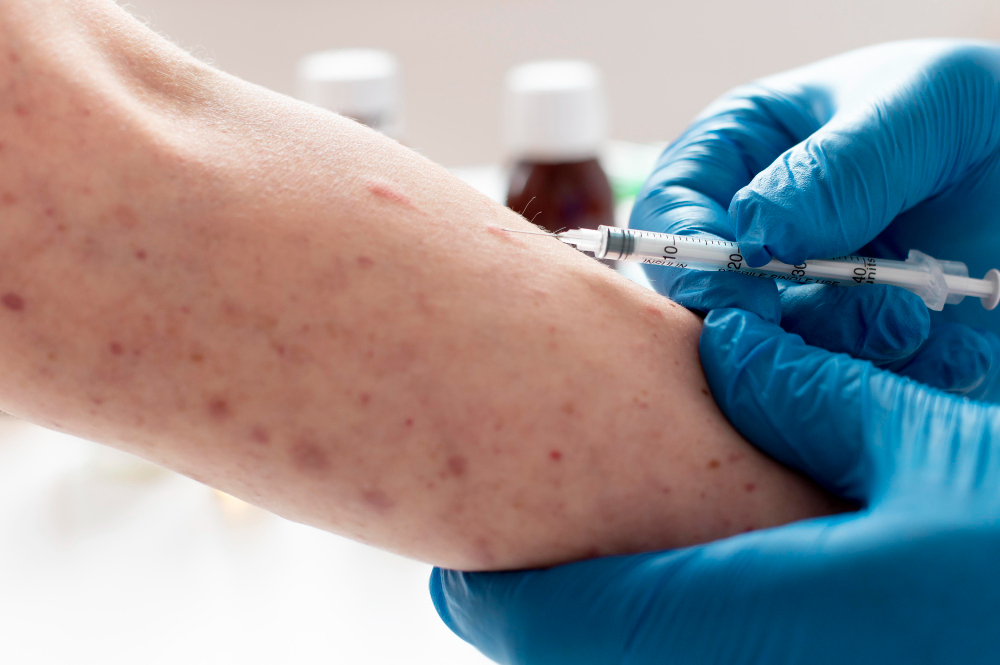
Drug reactions on skin are changes that happen after taking medicine. These reactions can look like rashes, hives, or swelling. Sometimes, a skin allergy from medication can be mild. However, in rare cases, it may become serious. In the United States, drug-induced skin reactions are a common reason people visit doctors. Because many medicines can cause skin problems, it is important to know what to look for.
Common Symptoms
Skin reactions from drugs can show up in many ways. For example, you might notice:
Sometimes, these symptoms appear within hours. Other times, they may take days to develop. If you see blisters, swelling, or have trouble breathing, seek help right away. These can be signs of a severe reaction.
Causes and Risk Factors
Many medicines can cause drug reactions on skin. For instance, antibiotics, painkillers, and anti-seizure drugs are common triggers. But, any medicine can cause a reaction in some people. Several factors increase your risk:
Additionally, some people react to dyes or fillers in pills, not just the main drug. Because of this, always tell your doctor about any past reactions.
How Drug Reactions Are Diagnosed
Doctors use several steps to diagnose drug reactions on skin. First, they ask about your symptoms and recent medicines. Next, they look at your skin and may take photos. Sometimes, doctors order blood tests or skin tests. These help rule out other causes, like infections or illnesses. In some cases, stopping the suspected medicine helps confirm the diagnosis. However, never stop a medicine without your doctor’s advice.
Treatment Options
Treatment depends on how severe the reaction is. For mild cases, your doctor may suggest:
For more serious reactions, you may need stronger medicines like steroids. In rare cases, hospital care is needed. Because some reactions can be life-threatening, always follow your doctor’s instructions. If you have trouble breathing or swelling of the face, call emergency services right away.
Prevention Tips
There are steps you can take to lower your risk of drug-induced skin reactions:
Additionally, wearing a medical alert bracelet can help in emergencies. This is especially helpful if you have had severe reactions before.
When to See a Doctor
It is important to know when to get medical help. See a doctor if you notice:
Even mild symptoms should be checked if they do not go away. Early treatment can prevent more serious problems.
In summary, drug reactions on skin can range from mild rashes to serious conditions. Because these reactions can be dangerous, it is important to act quickly. Consult a dermatologist for personalized advice if you notice any unusual skin reactions after taking medication.