
Introduction
Many people think psoriasis is only a skin problem. However, psoriasis is much more than that. This long-term condition can affect your body, mind, and daily life. Psoriasis symptoms often include red, scaly patches on the skin. But the effects go deeper. In this blog, you will learn how psoriasis impacts your health, emotions, and everyday routines. We will also share tips for living with psoriasis and when to seek help.
What Is Psoriasis?
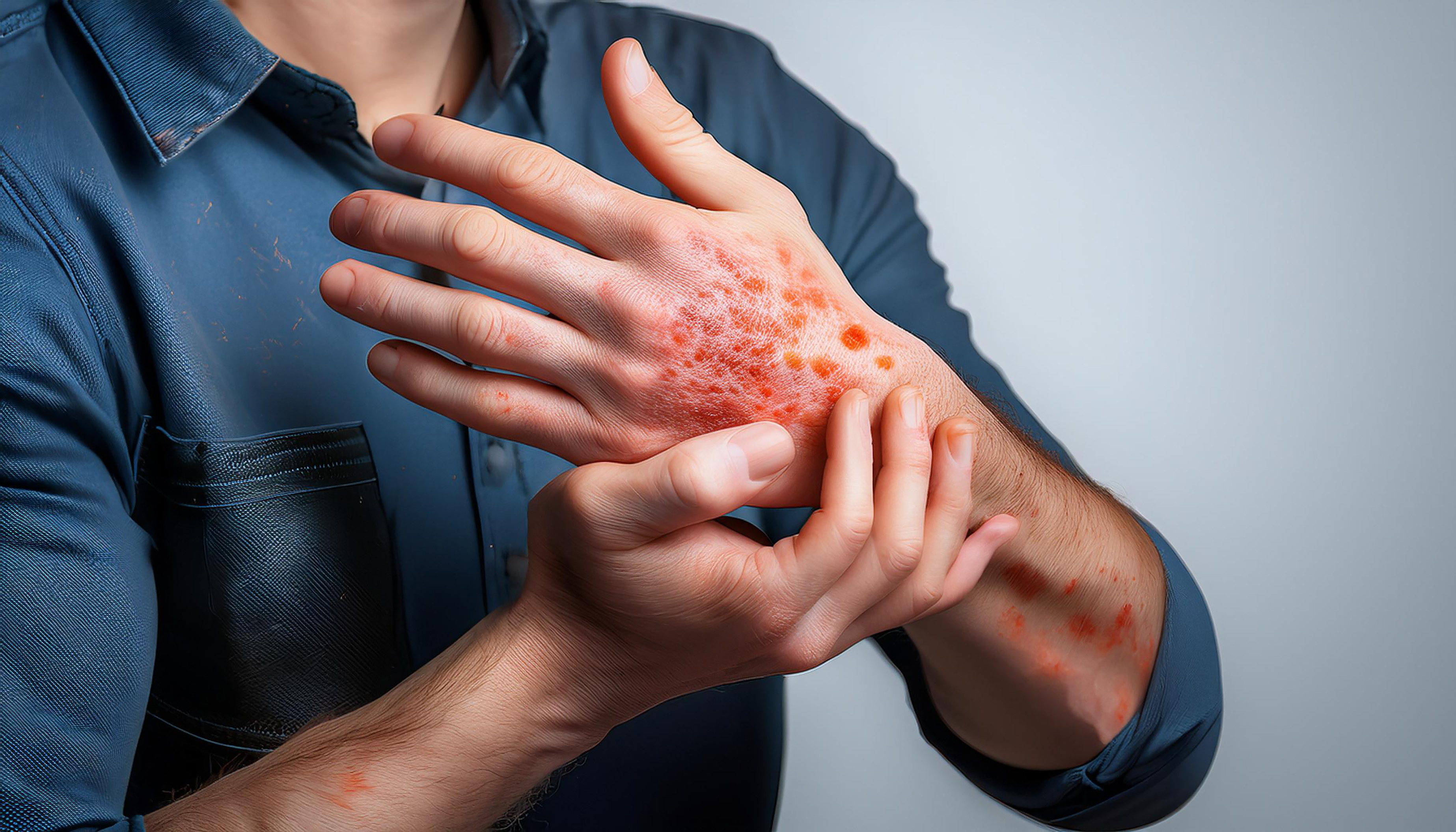
Psoriasis is a chronic disease that causes skin cells to grow too quickly. As a result, thick, red, and flaky patches appear on the skin. These patches can itch, burn, or hurt. According to the World Health Organization (WHO), about 2–3% of people worldwide have psoriasis. It can start at any age, but it often begins in early adulthood. While it is not contagious, it can run in families. Psoriasis symptoms can come and go, sometimes getting worse during stress or illness.
How Psoriasis Affects the Body
Although psoriasis is known for its skin symptoms, it can also affect other parts of the body. For example, some people develop joint pain and swelling. This is called psoriatic arthritis. It can make moving difficult and may lead to lasting joint damage if not treated. In addition, people with psoriasis have a higher risk of other health problems, such as:
Because psoriasis is linked to inflammation, it can affect your whole body. Therefore, regular check-ups are important for people living with psoriasis.
The Mental and Emotional Impact of Psoriasis
Living with psoriasis can be hard on your mental health. For instance, visible skin patches may cause stress or embarrassment. Many people feel anxious about how others see them. Some may even avoid social events. Over time, this can lead to low self-esteem or depression. Studies show that people with psoriasis are more likely to feel sad or worried. However, talking to a counselor or joining a support group can help. Remember, you are not alone in facing these challenges.
Daily Life with Psoriasis
Psoriasis can affect many parts of daily life. At work, flare-ups may make it hard to focus or use your hands. In relationships, some people worry about intimacy or sharing their condition. Even simple routines, like getting dressed, can be tough if your skin is sore. But with good care, many people manage these challenges. Here are some common issues:
Despite these hurdles, support from loved ones and healthcare providers can make a big difference.
Managing Psoriasis Holistically
There are many psoriasis treatment options. For mild cases, creams or ointments may help. In more severe cases, doctors may suggest pills, injections, or light therapy. However, treatment is not just about medicine. Healthy habits can also improve symptoms. For example:
Because everyone is different, it is important to work with your doctor to find the best plan. The National Psoriasis Foundation and local health groups offer helpful resources for living with psoriasis.
Prevention and When to Seek Help
While you cannot always prevent psoriasis, you can lower your risk of flare-ups. For instance, manage stress, avoid skin injuries, and follow your treatment plan. If you notice new symptoms, joint pain, or feel very sad, talk to your doctor. Early treatment can prevent problems and improve your quality of life. Do not wait if your symptoms get worse or affect your daily activities.
Consult a dermatologist or healthcare provider for personalized advice on managing psoriasis.