Introduction
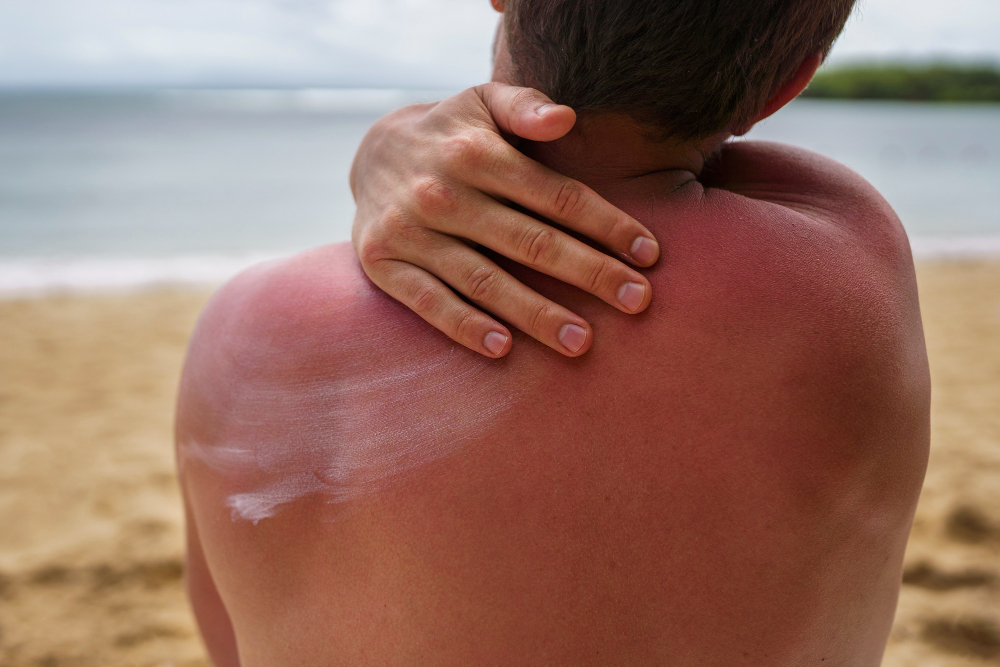
Sun damage happens when your skin gets too much exposure to the sun’s rays. Over time, this can lead to changes in your skin’s color, texture, and health. Many people want to know about reversing sun damage and how to restore their skin’s natural glow. While some effects are long-lasting, there are proven ways to help your skin heal. In this blog, you will learn about the symptoms, causes, and the best holistic clinic treatments for sun-damaged skin.
Symptoms and Signs of Sun Damage
Sun damage can show up in many ways. Often, these changes are easy to spot. However, some signs may be subtle at first. Watch for these common symptoms:
Sometimes, you may also notice your skin feels more sensitive. If you see these signs, it may be time to consider holistic sun damage treatments.
Causes of Sun Damage
Sun damage mainly happens because of ultraviolet (UV) rays from the sun. These rays can harm the skin’s deeper layers. Over time, UV exposure breaks down collagen and elastin. As a result, your skin may lose its smoothness and strength. Even on cloudy days, UV rays can reach your skin. Therefore, daily protection is important.
Holistic Clinic Treatments That Work
Many clinics now offer holistic sun damage treatments. These options focus on healing and restoring your skin. Let’s look at some proven clinic solutions for sun-damaged skin:
However, not every treatment is right for everyone. Therefore, a professional assessment is important. A dermatologist can suggest the best plan for your skin type and needs. According to the American Academy of Dermatology, these treatments are safe and effective when done by trained experts.
Lifestyle and Prevention Tips
While clinic treatments help, daily habits matter too. Here are some tips to protect and heal your skin:
In addition, avoid tanning beds and limit direct sun exposure. These steps can help prevent further sun damage and support your skin’s recovery.
When to See a Dermatologist
Sometimes, sun damage can lead to more serious problems. You should see a dermatologist if you notice:
Early care can prevent bigger issues. Therefore, do not wait if you see warning signs. A dermatologist can check your skin and guide you on how to reverse sun damage naturally and safely.
Conclusion
Sun damage is common, but you can take steps to heal your skin. Holistic clinic treatments, along with smart daily habits, can make a big difference. For the best results, consult a dermatologist for personalized advice on reversing sun damage.